Why Carbon Steel is the Backbone of Modern Infrastructure Solutions
The Role of Carbon Steel in Modern Infrastructure
Overview of Carbon Steel
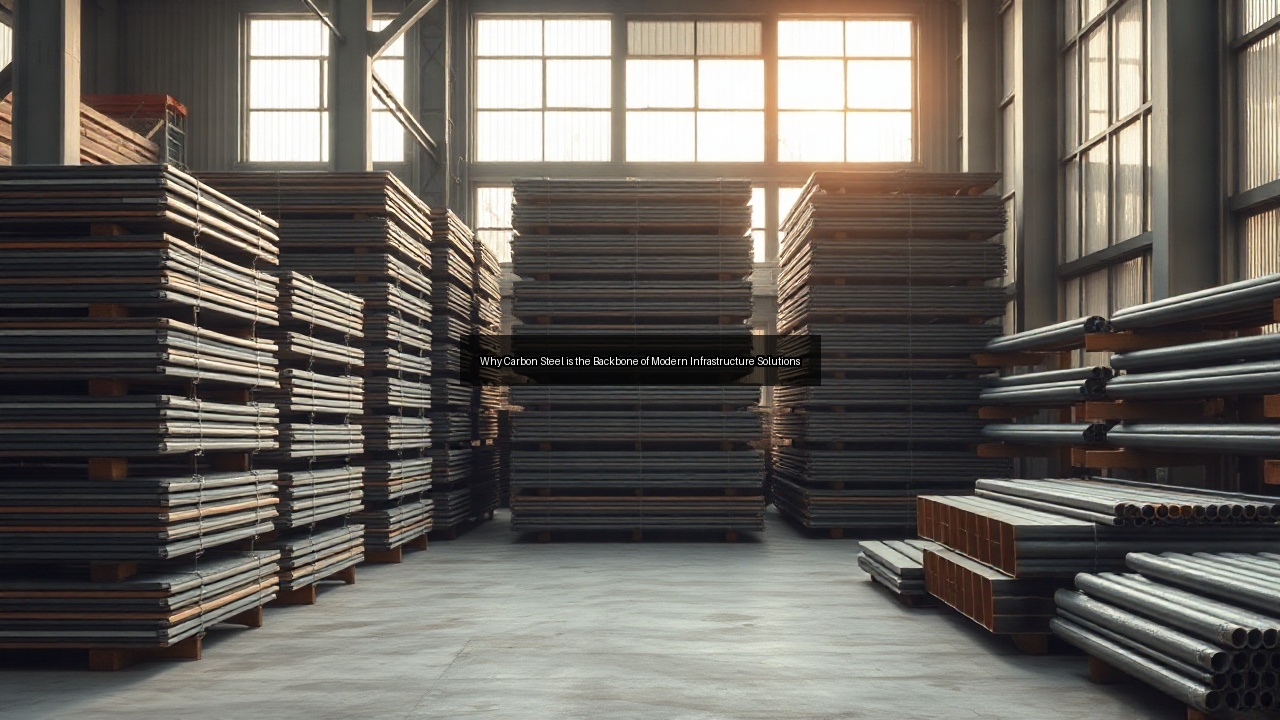
Carbon steel forms the core material for countless infrastructure projects because it combines strength with workable properties that engineers rely on daily. This steel contains carbon as its primary alloying element alongside iron, which gives it the toughness needed for beams, frames, and supports in buildings and bridges. Construction teams choose carbon steel over other metals when budgets and performance demands align, since it resists wear while remaining affordable. A carbon steel distributor often stocks multiple grades ready for immediate delivery to job sites, ensuring projects stay on schedule. Its versatility shows in everything from small fasteners to massive girders that hold up transportation networks across cities.
Importance of Carbon in Steel Production
Carbon controls the hardness and tensile strength of steel during production, allowing mills to adjust properties precisely for specific infrastructure uses. Higher carbon content increases durability but can reduce flexibility, so producers balance percentages carefully to match project needs. This element also influences how steel responds to heat treatment and welding processes that fabricators perform on site. Without controlled carbon levels, steel would lack the reliability demanded by modern construction standards. Suppliers monitor these ratios closely because even small variations affect performance in load-bearing applications like pipelines and structural frames.
Types of Carbon Steel Used in Infrastructure
Infrastructure projects draw from several carbon steel types to match varying requirements for strength, weldability, and cost. Low carbon steel suits general construction where formability matters most, while medium carbon steel handles parts that need extra toughness without becoming brittle. High carbon steel serves heavy-duty roles such as rail components and heavy machinery bases. A reliable carbon steel distributor provides all three varieties from one source, simplifying procurement for contractors. Engineers evaluate each type against environmental factors like corrosion exposure and load cycles before final selection.
Carbon Steel Varieties: Tailoring to Infrastructure Needs
Low Carbon Steel: Versatility in Construction
Low carbon steel contains less than 0.3 percent carbon, making it highly ductile and easy to weld for everyday construction tasks. Builders form it into sheets, plates, and tubes that become flooring, roofing, and framing elements in commercial buildings. Its lower strength compared with other grades gets offset by excellent workability, which speeds up fabrication on tight timelines. Many projects rely on low carbon steel because it accepts coatings that extend service life in outdoor environments. A carbon steel products distributor keeps extensive inventories of this grade to support rapid scaling of residential and commercial developments alike.
Medium Carbon Steel: Balancing Strength and Ductility
Medium carbon steel sits between 0.3 and 0.6 percent carbon, delivering a practical mix of strength and ductility for infrastructure components that face moderate stress. Manufacturers heat-treat this grade to improve hardness for shafts, gears, and reinforcing bars used in bridges and highways. It welds reliably when proper procedures are followed, which reduces downtime during assembly. Transportation infrastructure benefits especially because medium carbon steel resists fatigue from repeated loading. Contractors often ask their carbon steel supplier for certified material test reports to verify mechanical properties before installation begins.
High Carbon Steel: Applications in Heavy-Duty Infrastructure
High carbon steel exceeds 0.6 percent carbon and provides exceptional hardness for demanding infrastructure elements such as crane rails, wire ropes, and cutting edges on earth-moving equipment. Its wear resistance extends the lifespan of parts exposed to abrasion in mining and port facilities. Although less ductile than lower grades, it performs reliably when designers account for its brittleness through careful engineering. Distributors that handle high carbon steel maintain strict quality controls to prevent defects that could compromise safety in critical applications.
Carbon Steel Products and Their Applications
Welded Steel Pipes: Essential for Transportation
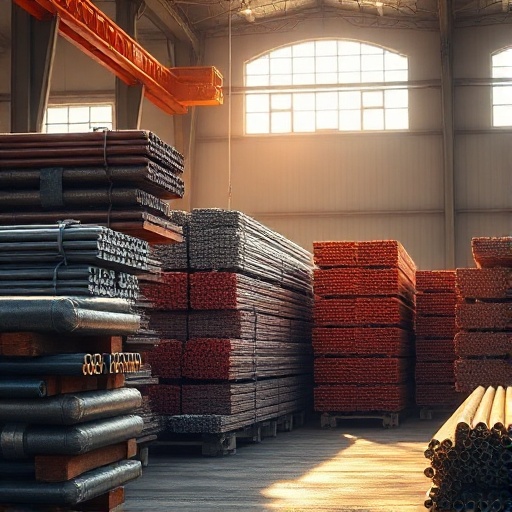
Welded steel pipes transport water, oil, gas, and other fluids across long distances in infrastructure networks. Produced by forming flat steel into tubes and welding seams, these pipes offer consistent wall thickness and strong joints that withstand internal pressure. Carbon steel remains the preferred material because it balances cost with corrosion resistance when properly coated. A carbon steel distributor in regions like California often specializes in large-diameter welded pipes for municipal and industrial projects. Transportation corridors depend on these pipes for reliable delivery systems that support economic activity.
Carbon Steel Sheets: Foundation for Structural Integrity
Carbon steel sheets serve as base material for panels, enclosures, and structural skins in buildings and vehicles. Mills roll these sheets to precise thicknesses that fabricators then cut, bend, and weld into final shapes. Their uniform surface allows easy application of protective finishes that guard against weather exposure. Infrastructure projects use sheets for everything from bridge decking to storage tank walls. Suppliers provide sheets in coils or cut lengths, giving contractors flexibility when ordering for specific phases of construction.
Alloy Steel: Enhancing Performance in Infrastructure
Alloy steel incorporates elements such as chromium, nickel, or molybdenum alongside carbon to boost properties like corrosion resistance and high-temperature strength. This category includes alloy steel grades that outperform plain carbon steel in aggressive environments such as coastal bridges and chemical plants. Stainless steel represents one specialized alloy branch that resists rust without additional coatings. Infrastructure designers specify alloy steel when standard carbon grades would degrade too quickly. A knowledgeable carbon steel distributor helps match alloy compositions to exact service conditions.
Choosing the Right Carbon Steel Distributor
Criteria for Selecting a Reliable Supplier
Selecting a carbon steel distributor requires checking inventory depth, certification standards, and delivery speed. Reliable suppliers maintain traceability on every heat of steel and offer technical support for grade selection. They also provide value-added services such as cutting, beveling, and testing that reduce on-site labor. Contractors evaluate past project references and response times before committing to long-term partnerships. Quality-focused distributors stock both standard and specialty items so projects avoid costly delays from material shortages.
Top Carbon Steel Suppliers in California
Top carbon steel suppliers in California maintain warehouses near major ports and industrial hubs to serve construction and energy sectors efficiently. These distributors handle high volumes of sheet, plate, and welded pipe while complying with state environmental regulations. Companies that distribute carbon steel CA often emphasize local stock to shorten lead times for urgent infrastructure repairs. Buyers compare pricing transparency and logistics capabilities when ranking options. Strong regional suppliers also track global market shifts that affect availability of raw metals.
Benefits of Partnering with a Carbon Steel Distributor
Partnering with an established carbon steel distributor brings access to consistent material quality and expert guidance on specifications. Distributors manage logistics, reducing the administrative burden on project managers who coordinate multiple trades. They often offer volume discounts and just-in-time delivery that improves cash flow during extended builds. Technical teams at the distributor level answer questions about weld procedures and corrosion protection tailored to local conditions. Long-term relationships frequently lead to better pricing and priority allocation when supply tightens.
Future Trends in Carbon Steel for Infrastructure Solutions
Sustainability and Recycling of Carbon Steel
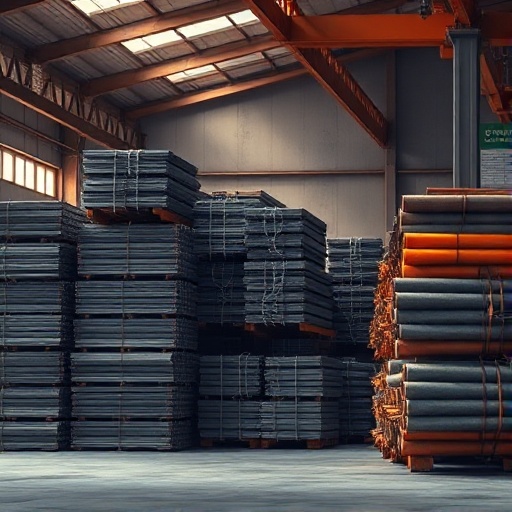
Recycling programs now recover over 90 percent of carbon steel from demolished structures, lowering the environmental footprint of new infrastructure. Electric arc furnaces melt scrap into fresh steel with far less energy than traditional blast furnaces. This closed-loop approach supports green building certifications that many public projects require. Distributors play a role by segregating scrap grades and directing them to appropriate mills. Sustainable practices also include tracking carbon emissions throughout the supply chain from production to installation.
Innovations in Carbon Steel Alloys
Research continues on advanced carbon steel alloys that incorporate nano-scale precipitates to raise strength without sacrificing toughness. These developments allow thinner sections that reduce overall weight in bridges and towers while maintaining safety margins. Additive manufacturing techniques now produce complex steel components directly from powder, opening new design possibilities for infrastructure. Suppliers monitor these innovations to stock emerging grades as they gain code approval. Performance gains translate directly into longer service intervals and lower maintenance costs.
Impact of Global Supply Chains on Carbon Steel Distribution
Global supply chains influence carbon steel availability through tariffs, shipping disruptions, and raw material price swings. Distributors that diversify sourcing across multiple mills reduce risk for their customers during periods of volatility. Digital tracking systems now provide real-time visibility into orders moving from overseas producers to domestic warehouses. Infrastructure planners factor these variables into material budgets and timelines. Strong relationships with a carbon steel supplier that understands international logistics help projects maintain momentum despite external pressures.