Maximizing Scalability and Quality Control with Professional Contract Assembly
Understanding Contract Assembly Services
What Are Contract Assembly Services?
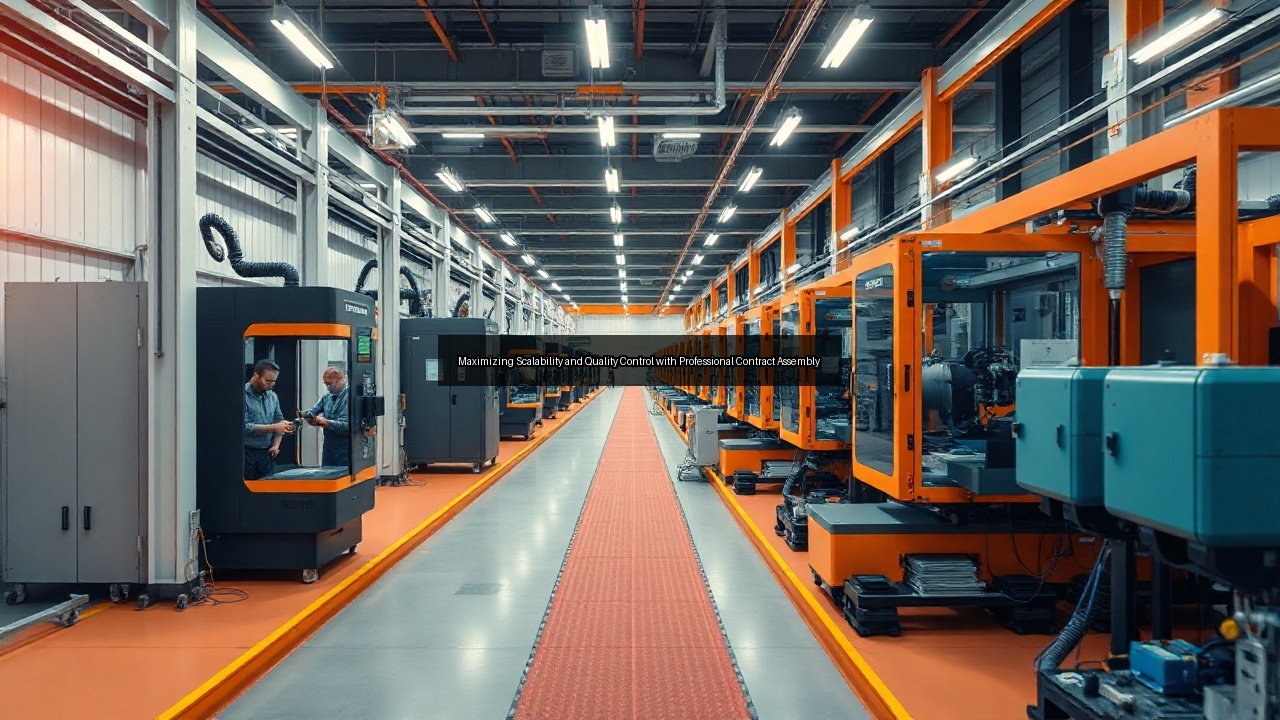
Contract assembly services cover the full process of putting together components into finished products through specialized contract manufacturers. These providers handle everything from basic subassemblies to complex final builds using client-supplied designs. Companies turn to contract assembly services when they need reliable production without building their own facilities. The approach lets businesses focus on core activities while experts manage the assembly line. Powder coating and other finishing steps often integrate into these services for complete results. Contract assembly companies maintain dedicated equipment and trained teams to deliver consistent output across runs of varying sizes.
Key Benefits of Contract Assembly
Contract assembly delivers clear advantages in speed and resource allocation. Firms gain access to established manufacturing expertise without investing in tools or staff training. Scalability improves because providers adjust capacity quickly to match demand spikes. Quality stays high through standardized processes that reduce errors during production. Outsourcing to a contract assembly provider also shortens lead times compared with in-house setups that require onboarding new personnel. Many contract manufacturers offer additional value through integrated engineering support that refines product designs before full runs begin.
The Role of Contract Manufacturers in Production
Contract manufacturers serve as extensions of a company's own operations by handling precise assembly tasks. They receive designs and materials then execute builds according to exact specifications. This partnership allows original equipment makers to scale without expanding internal floor space or equipment fleets. Experts at these facilities apply lean manufacturing principles to minimize waste and maintain steady throughput. Services from contract assembly manufacturers often include final testing to confirm each unit meets performance targets before shipment. The arrangement frees client teams to concentrate on innovation and market expansion instead of daily production oversight.
The Importance of Quality Control in Contract Assembly
ISO 9001 Standards and Their Impact
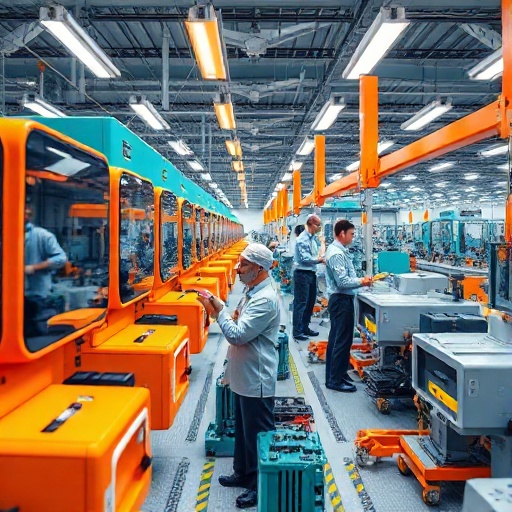
ISO 9001 certification signals that a contract assembly provider follows rigorous quality management practices. This standard requires documented procedures for every step of the assembly process, from incoming inspection to final verification. Companies that select ISO 9001 compliant partners reduce the risk of defects reaching customers. The framework drives continuous improvement, which directly supports higher reliability in finished goods. Contract manufacturers with this certification demonstrate commitment to measurable performance metrics that clients can track over time. Adherence to these standards also simplifies audits and regulatory compliance for the end product.
Quality Control Processes in Contract Manufacturing
Quality control in contract manufacturing relies on layered checks throughout the workflow. Incoming parts undergo inspection for dimensional accuracy and material integrity before entering the line. In-process monitoring catches deviations early, while end-of-line testing validates function and appearance. Contract assembly services incorporate statistical sampling and root-cause analysis to prevent recurring issues. Experts document every finding so teams can refine processes rapidly. These measures protect brand reputation by ensuring only approved units leave the facility. Clients receive detailed reports that support traceability requirements in regulated industries.
Expertise in Quality Assurance: How Professionals Ensure Standards
Quality assurance experts at contract assembly companies bring specialized knowledge of inspection equipment and acceptance criteria. They design protocols tailored to each product’s risk profile and performance demands. Regular training keeps staff current on evolving standards and new materials. These professionals also implement corrective actions when measurements fall outside tolerances, preserving overall output quality. Their involvement extends to supplier qualification, which strengthens the entire supply chain. Companies that partner with such experts gain confidence that assembled products will perform as intended in the field.
Maximizing Scalability Through Outsourcing
Benefits of Outsourcing Contract Assembly
Outsourcing contract assembly frees capital that would otherwise tie up in equipment purchases and facility expansions. Providers already operate at scale, so clients access immediate capacity for growth phases. Lead times shorten because established lines require minimal setup for new projects. Flexibility increases when demand fluctuates, since contract manufacturers absorb volume changes without client-side staffing adjustments. Many firms report improved cash flow after shifting assembly tasks outward, allowing reinvestment in research and sales. The model also transfers responsibility for equipment maintenance and technology upgrades to the provider.
How to Choose the Right Contract Assembly Provider
Selecting a contract assembly provider starts with evaluating technical capabilities against product requirements. Review past projects in similar industries and request references from current clients. Assess the provider’s quality control systems and certifications to confirm alignment with internal standards. Location matters for logistics efficiency, yet many companies prioritize expertise over proximity when volumes justify longer shipping distances. Clear communication channels and transparent pricing models further distinguish strong partners. Site visits help verify that facilities can handle both current and projected production needs.
Leveraging Lean Manufacturing for Scalability
Lean manufacturing techniques enable contract assembly providers to increase output without proportional rises in resources. Value-stream mapping identifies bottlenecks that slow throughput, while 5S programs maintain organized workspaces. Continuous flow principles reduce work-in-process inventory and shorten cycle times. Contract manufacturers apply these methods daily to deliver higher volumes on compressed schedules. Clients benefit when providers share lean gains through lower unit costs and faster response to design changes. The disciplined approach also supports quality targets by eliminating sources of variation on the line.
Cost Efficiency in Contract Assembly
Analyzing Cost Factors in Contract Manufacturing
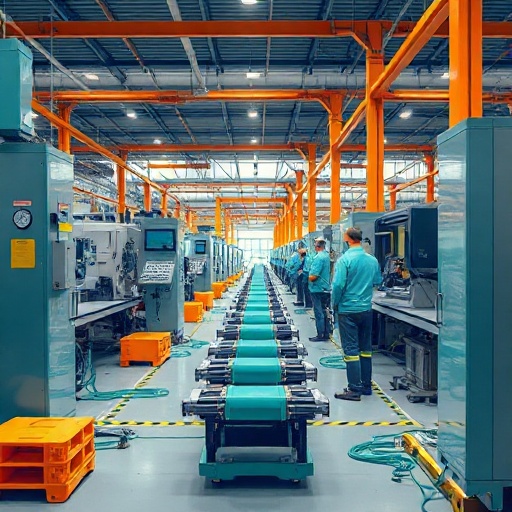
Cost structures in contract manufacturing include labor, materials, overhead, and setup charges. Volume commitments often unlock tiered pricing that lowers per-unit expenses. Providers pass along savings from bulk component purchases and optimized scheduling. Hidden variables such as engineering change orders or expedited freight require clear contract terms to avoid surprises. Detailed quotes break out each element so companies can compare options accurately. Ongoing cost reviews with the contract assembly provider help maintain efficiency as production volumes evolve.
In-House vs. Outsourcing: A Cost Comparison
Building an in-house assembly operation demands significant upfront investment in space, machinery, and training. Ongoing expenses cover utilities, maintenance, and quality personnel. Outsourcing shifts these fixed costs into variable expenses tied directly to production volume. Contract assembly services typically deliver lower total cost of ownership once internal overhead is factored in. Companies avoid the risk of underutilized capacity during slow periods. Many organizations find that the expertise available from established providers exceeds what they could develop internally at similar expense.
Hidden Costs of Contract Assembly Services
Hidden costs in contract assembly services can appear through inadequate specifications or frequent design revisions. Poor onboarding processes sometimes lead to rework that inflates overall spend. Transportation and packaging fees may exceed initial estimates if not negotiated upfront. Companies mitigate these risks by establishing detailed service level agreements and regular performance reviews with their contract manufacturer. Transparent communication during project kickoff reduces the chance of unexpected charges later. Thorough due diligence on provider capabilities also prevents costly mismatches between expectations and delivered results.
Streamlining Logistics and Packaging
Engineering Effective Logistics for Contract Assembly
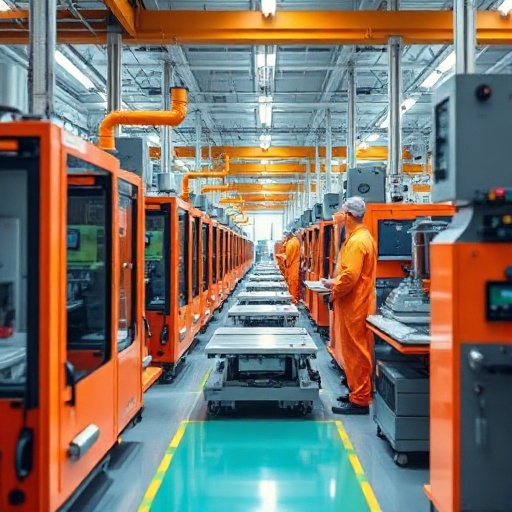
Engineering effective logistics starts with mapping the flow of materials from suppliers through the assembly facility and onward to distribution centers. Contract assembly providers coordinate inbound freight schedules to keep lines running without excess inventory buildup. Outbound routing optimizes carrier selection for cost and speed. Real-time tracking systems give clients visibility into order status at every stage. Strong logistics integration reduces delays that otherwise disrupt customer commitments. Providers with robust networks often secure better rates that benefit the entire supply chain.
Packaging Solutions Offered by Contract Manufacturers
Contract manufacturers develop packaging solutions that protect assemblies during transit while meeting customer branding needs. Custom foam inserts and corrugated designs prevent damage from vibration and impact. Some providers incorporate sustainable materials that align with corporate environmental goals. Packaging also influences final presentation, so contract assembly services frequently include labeling and kitting for retail readiness. Testing protocols validate that chosen packages survive handling stresses. These integrated offerings reduce the need for clients to manage separate packaging vendors.
The Role of Prototyping and Fabrication in Assembly Efficiency
Prototyping and fabrication steps validate designs before full-scale contract assembly begins. Early builds reveal fit or process issues that could slow later production. Contract manufacturers use these runs to refine tooling and work instructions, shortening the ramp-up period for volume manufacturing. Fabrication capabilities on site allow quick iterations without external delays. Clients gain confidence that final assemblies will meet all functional and aesthetic requirements. The combined approach improves overall efficiency by catching problems when corrections remain inexpensive and straightforward.
See Also
- The Benefits of Outsourcing Your Contract Assembly to Specialized Manufacturers
- Understanding the True Costs of In-House vs Outsourced Contract Assembly
- Innovative Designs and Fabrication Techniques Offered by Leading Contract Assembly Providers
- Navigating the Landscape of Contract Manufacturers for Lean Manufacturing Solutions